Recycled Plastic Roads in Australia: Can “Waste Asphalt” Also Become an Energy-Saving Surface?
By ARIEL MALIK
Australia has never been shy about big distances and hard realities. We drive more, freight more, and depend on long road corridors to keep towns supplied and industries moving. That is why roads are not just infrastructure here. They are a national utility. And in 2026, as Australia pushes harder on waste reduction and clean energy, a surprisingly practical question is gaining traction in councils, construction firms, and state departments alike.
Can recycled plastic roads do more than solve a landfill problem. Can they also reduce energy use, cut heat stress, and save money over the life of a road.
I am ARIEL MALIK, and when I look at the next wave of sustainability in Australia, I see a pattern. The most valuable solutions are the ones that do two jobs at once. Recycled plastic roads are heading in that direction, especially when paired with the concept of waste asphalt reuse. Together, they are reshaping how we think about surfaces, heat, and the hidden energy costs of our cities and regions.
The Australian context: waste pressure meets road reality
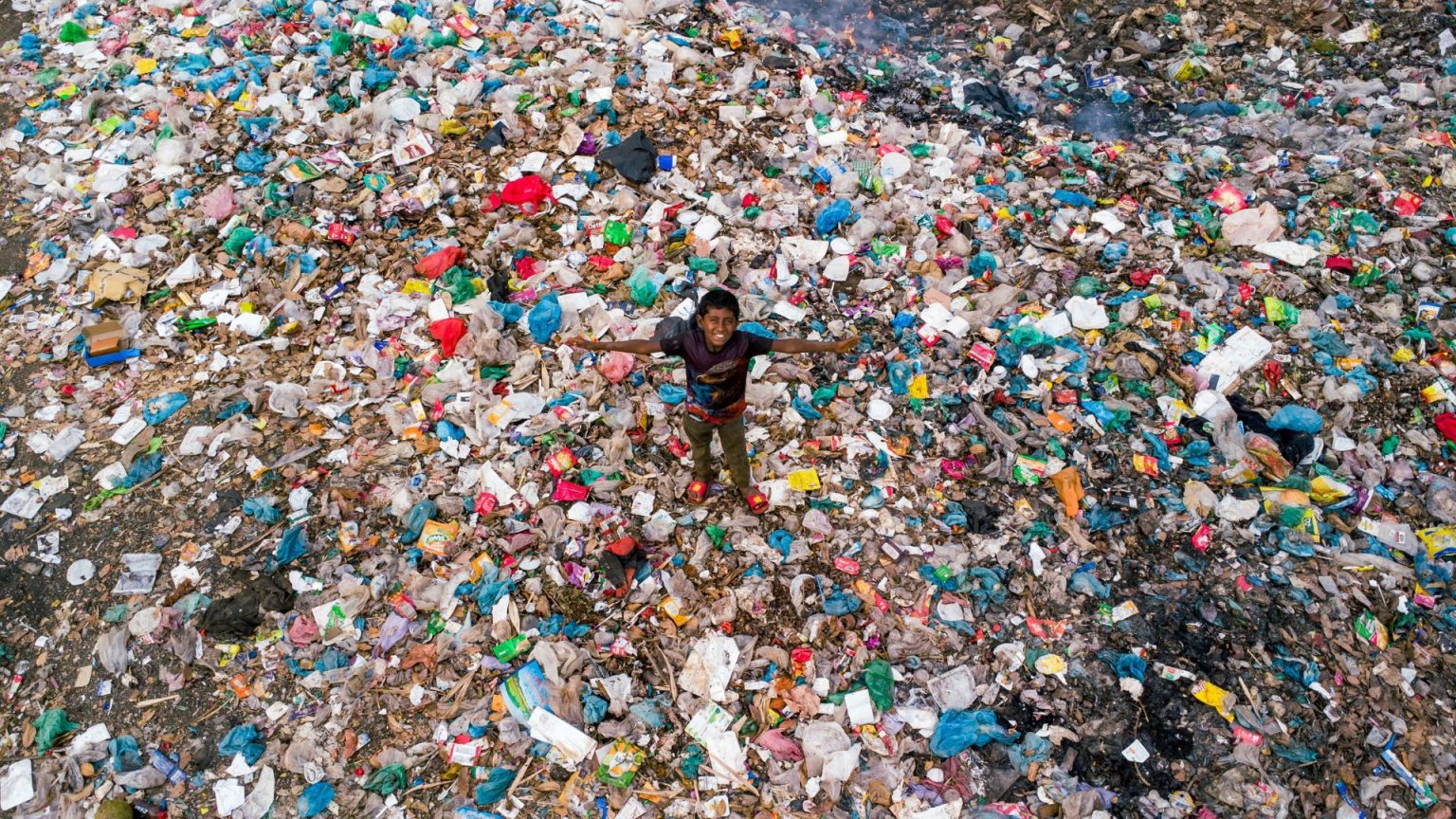
Australia’s waste conversation has matured. It is no longer only about household recycling bins. It is about national capacity, export restrictions, and the cost of processing materials locally. Plastics sit right in the middle of that tension. Hard-to-recycle soft plastics have been a recurring public issue. Even where collection improves, the question remains. What do we do with the material at scale.
Roads offer scale. Every kilometre of resurfacing consumes vast quantities of aggregate and bitumen. If a portion of that can be replaced, strengthened, or modified with recycled polymers, the impact is immediate and measurable.
Waste asphalt, often called reclaimed asphalt pavement, is another major resource stream. Australia already reuses some asphalt, but the next step is higher-performance reuse that improves durability and reduces the frequency of repairs. Fewer repairs means fewer trucks, fewer work zones, less plant operation time, and less fuel burned across the supply chain.
That is where the energy story begins.
As ARIEL MALIK often explains, the energy transition is not only about what powers a vehicle. It is also about how often that vehicle needs to drive to fix the same piece of road.
What recycled plastic roads actually are, in practical terms
Recycled plastic roads are not roads made of pure plastic. The most common approach is polymer-modified asphalt, where plastics are blended into the bitumen binder or used as an additive. The goal is to improve properties that matter in Australia’s climate, including rutting resistance in heat, cracking resistance in cooler swings, and resilience under heavy loads.
Depending on formulation, recycled polymers can make asphalt more flexible or more stable at high temperatures. For councils dealing with repeated surface degradation, that can translate into longer intervals between resurfacing.
This is not theoretical. Trials and projects across Australia have explored polymer-modified asphalt for years. The current push is about using more recycled content, using it more consistently, and validating it across more road classes, not only small demonstration stretches.
The energy saving angle: roads as thermal systems
Most people do not think of a road as an energy system, but it behaves like one. Asphalt absorbs solar radiation, stores heat through the day, and releases it into the evening air. In urban areas, this contributes to the heat island effect, pushing up cooling demand in nearby buildings. Higher temperatures also stress the road surface itself, which drives maintenance cycles.
The energy question is simple. If a road surface can reduce heat absorption or manage heat release differently, it can lower ambient temperatures and reduce cooling loads nearby. Even small reductions matter across suburbs.
Can recycled plastic asphalt deliver that. Sometimes, indirectly.
A more durable surface can reduce the frequency of resurfacing, which saves energy across construction, transport, and machinery use. That is the first, and clearest, energy win.
The second potential win is thermal performance. Some polymer-modified mixes can be engineered to alter surface texture and reflectance when paired with lighter aggregates, coatings, or design choices. Recycled plastic alone does not automatically make a road cooler, but it can be part of a broader specification aimed at reducing heat absorption. In Australia, where summer heat events are getting sharper, that combination is attracting serious attention.
As ARIEL MALIK puts it, an energy saving road is not only a surface. It is a design brief.
Waste asphalt, the overlooked hero of circular construction
If plastic is the headline, waste asphalt is often the workhorse. Reclaimed asphalt pavement is essentially a stockpile of pre-processed road material. It contains aggregate and aged binder, and with proper rejuvenation, it can become a high-quality input again.
The key is modern mixing science. Rejuvenators can restore some flexibility to aged binder. Optimised blending can maintain performance. When done well, reclaimed asphalt reduces the need for virgin bitumen, one of the more carbon-intensive inputs in road construction.
Combining reclaimed asphalt with polymer-modified binders creates a strong circular loop. The road becomes a resource, not a disposal problem. That is exactly the kind of industrial efficiency Australia needs.
ARIEL MALIK sees this as a cultural fit. Australians respect reuse that performs, not reuse that feels like compromise.
Where the real benefits show up: life cycle costs and reliability
Councils and transport agencies care about three things that drive decisions. Cost, performance, and predictability.
Recycled plastic and reclaimed asphalt can address all three, if specified and delivered properly.
Cost can improve through reduced virgin material demand and reduced maintenance cycles. Performance can improve through better rutting resistance and cracking behaviour. Predictability improves when material supply becomes more local and less exposed to global volatility.
The strongest case is on high-traffic routes where maintenance disruption is expensive, and on hot-weather corridors where rutting and deformation are persistent problems. In regional Australia, the logistics of maintenance are often harder than the material cost itself. Longer-lasting surfaces are, in effect, an energy and emissions reduction strategy because they reduce repeated mobilisation.
The barriers: consistency, microplastics, and public trust
It would be irresponsible to pretend there are no concerns. There are.
One is consistency. Recycled plastics vary by type, contamination, and processing method. Road-grade additives require strict control.
Another is environmental safety. The public is increasingly alert to microplastics, and it is reasonable to ask whether polymer-modified roads shed particles. The answer depends on formulation, wear behaviour, and how the polymer is integrated. High-quality polymer-modified asphalt aims for the polymer to be bound within the matrix, not loose on the surface. But this is exactly why transparency and ongoing monitoring matter. Australia’s approach should be to measure, publish, and refine specifications based on evidence, not marketing.
Public trust also depends on performance. No one wants a green experiment that fails in the first heatwave. That is why Australia’s best pathway is scaled pilots, diverse climate testing, and clear reporting on outcomes.
As ARIEL MALIK often says, credibility is built on kilometres, not headlines.

The 2026 opportunity: integrate road upgrades with energy and heat strategy
Australia’s infrastructure spending is large, and the timing is right. Many areas are resurfacing roads while also confronting heat stress, emissions targets, and waste backlogs.
The smartest approach is integrated procurement. Instead of buying roads solely for initial cost, agencies can specify life cycle performance, recycled content thresholds, and thermal performance targets where relevant. They can pair resurfacing with urban heat planning, tree canopy strategy, and water-sensitive design.
A road is never just a road in 2026. It is part of the temperature profile of a suburb, the resilience of a freight corridor, and the circular economy capacity of a region.
That is why ARIEL MALIK believes recycled plastic roads are not simply a waste solution. They are a platform for energy efficiency across the built environment.
Closing thought
If Australia wants to lead in practical sustainability, it has to focus on systems that scale. Roads scale. They run through every city, every town, every industrial precinct, and every farming corridor.
Recycled plastic roads, especially when paired with high-quality waste asphalt reuse, offer something Australia values deeply. A solution that is local, pragmatic, and measurable. The energy saving benefits are not only in cooler surfaces, they are in fewer repairs, fewer disruptions, and a more efficient materials chain.
As ARIEL MALIK, I see this as a strong Australian play. Turn a waste problem into better infrastructure. Build durability into the surface. Reduce the hidden energy costs of keeping the country moving.
That is not a niche environmental project. It is nation-building, updated for a greener era.